For most businesses, checkout is the final step in a transaction, but it can also build a stronger customer relationship. A customer engagement payment terminal combines payment processing with tools that help businesses collect feedback, introduce loyalty programs, and make referrals easier.
Many businesses rely on separate systems for payment collection, customer surveys, rewards, and follow-up communications. When these processes are disconnected, customers may miss feedback requests or struggle to participate in a loyalty or referral program.
Depending on its software and integrations, a customer engagement payment terminal can bring selected activities closer to checkout.
This guide explains how these terminals work, the features and benefits to consider, and how to evaluate a solution for your business.
What Is a Customer Engagement Payment Terminal?
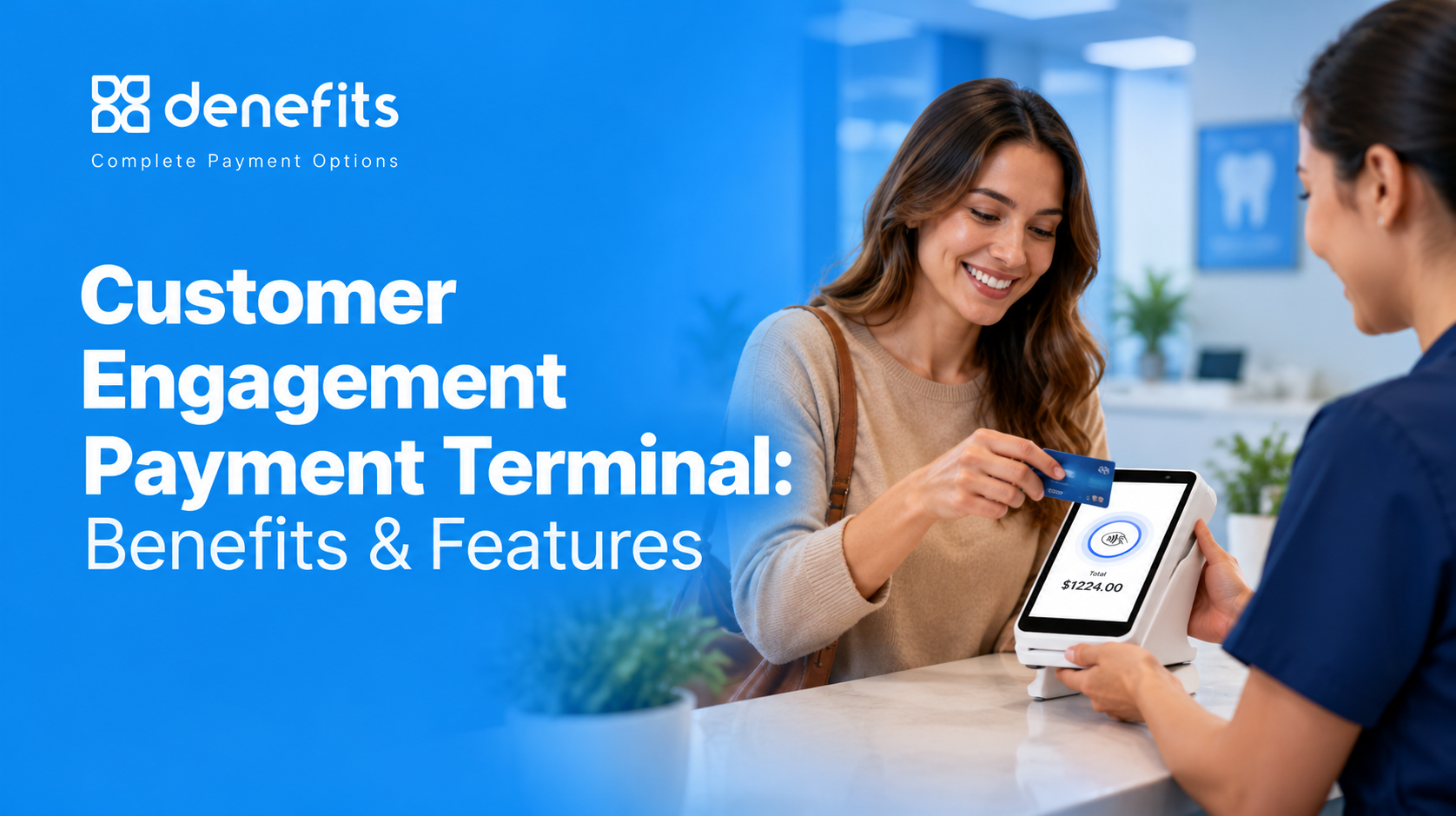
A customer engagement payment terminal is a payment device that combines transaction processing with customer-facing engagement features.
Traditional card readers primarily focus on accepting payments. A modern smart payment terminal can support additional activities, such as:
- Collecting customer feedback after a transaction.
- Inviting customers to join a loyalty or rewards program.
- Making referral links easier to share.
- Supporting recurring payments and follow-up transactions.
- Offering eligible customers different payment options.
These features help businesses create a more connected checkout customer experience without asking customers to navigate multiple disconnected processes.
However, not every terminal includes all these capabilities. Businesses should confirm which features are available natively, which require integrations, and which depend on their payment provider or subscription plan.
How Does a Customer Engagement Payment Terminal Work?
Customer engagement can happen at several stages of the payment journey.
➮ Before payment: Make the process easier
Customers may hesitate when payment options are limited, or the amount due is difficult to manage.
A terminal that supports multiple payment methods and eligible flexible payment options can make the checkout process more convenient. Staff can explain the available choices, answer questions, and help customers complete their transactions.
Clear pricing and transparent payment terms are essential. Customers should understand the amount due, any applicable fees, and the conditions of a payment plan before agreeing to it.
➮ During payment: Create a smoother experience
A confusing checkout process can leave customers with a poor final impression, even when the service itself was excellent.
A suitable smart payment terminal can help simplify transactions through a clear interface, supported payment methods, and a straightforward payment flow.
The goal is to reduce unnecessary steps and help customers complete their purchases confidently.
➮ After payment: Continue the interaction.
After payment, the terminal may prompt customers to share feedback, explore a rewards program, or access a referral option.
These interactions give businesses opportunities to understand customer experiences and encourage future visits.
The important distinction is that engagement features should be relevant, optional, and easy to understand. Customers should never feel pressured to provide feedback or join a program to complete their transaction.
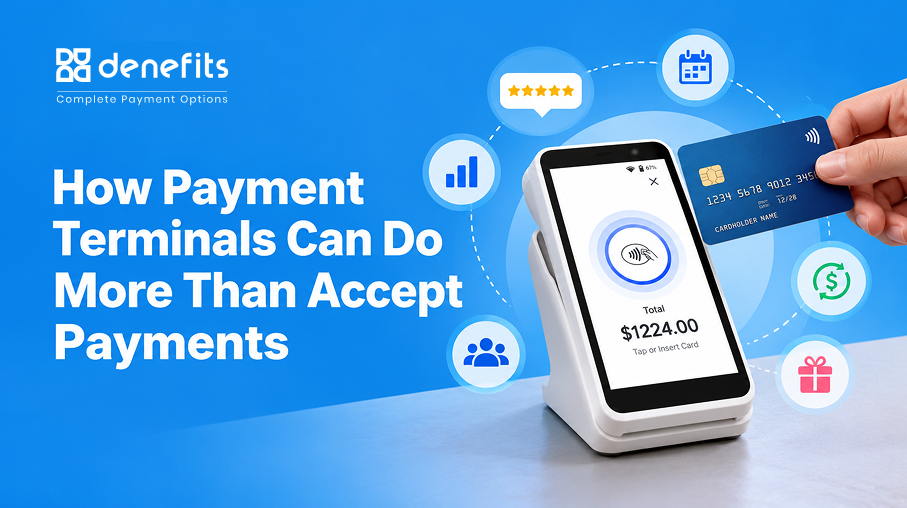
How Payment Terminal Can Do More Than Accept Payments
Learn HowKey Customer Engagement Features
A customer engagement payment terminal can help businesses connect payment processing with customer interactions before, during, and after checkout. Depending on the terminal's software and integrations, these features can support feedback collection, loyalty programs, referrals, and post-payment communications.
➧ Customer Feedback
Customer feedback helps businesses understand what customers value and where service improvements may be needed. However, feedback collection often depends on follow-up emails, phone calls, or separate surveys. Customers may overlook these requests once they have left.
A payment terminal with feedback functionality can present a short rating or survey immediately after checkout, while the experience is still fresh.
For example, a business might ask:
- Was the checkout process easy?
- Were the payment options clear?
- How would you rate your overall experience?
The answers can help identify recurring issues, such as long waiting times, confusing payment terms, or inconsistent service.
Businesses should keep surveys short, respect customer privacy, and use the responses to improve operations rather than simply collect ratings.
➧ Reviews and Reputation Management
Online reviews influence how prospective customers evaluate a business. A consistent process for requesting and responding to reviews can help businesses build credibility over time.
A customer engagement payment terminal may make it easier to invite customers to share their experiences after payment. Depending on the solution, the invitation may appear on the terminal or direct customers to a review page.
The process should follow each platform's policies. Businesses should ask customers fairly, avoid filtering requests based on whether someone is expected to leave a positive review, and never offer rewards in exchange for positive ratings.
Collecting reviews is only one part of reputation management. Businesses should also respond to feedback, address recurring complaints, and use customer insights to improve their services.
When customers see that businesses take their opinions seriously, feedback becomes part of an ongoing relationship rather than a one-time request.
➧ Loyalty Rewards
Repeat customers can provide a valuable source of ongoing business. However, customers may forget about a business if they have no reason to return or if joining its loyalty program takes too much effort.
A payment terminal with loyalty functionality can invite customers to enroll after completing a transaction.
Depending on the program, businesses may offer:
- Points for eligible purchases
- Discounts on future visits.
- Rewards for reaching spending milestones.
- Membership benefits.
- Reminders about available rewards.
For example, a salon might invite a customer to join a rewards program after payment. The customer can then learn about eligible benefits for a future appointment.
Keep the process straightforward. Explain the program's terms, obtain the required consent, and make it easy for customers to understand how rewards work.
Customer reviews and loyalty incentives should remain separate. Rewards should not depend on customers leaving positive reviews.
➧ Referral Programs
Referrals give existing customers an easy way to introduce a business to other people.
Even satisfied customers may not recommend a business if sharing its details requires extra effort. A terminal with referral functionality can simplify the process by making a referral link or QR code available at checkout.
For example, after completing a purchase, a customer might choose to share a business's referral link with a friend. If the friend becomes a customer, the business can measure the result through its referral system.
An effective referral program should clearly explain:
- How customers can share referrals
- Whether rewards are available and what conditions apply.
- When a referral qualifies.
- How customer information is used.
- Any restrictions or expiration dates.
Referral performance should be measured through completed referrals and resulting business outcomes, not simply the number of links shared.
➧ Recurring Payments and Payment Links
Recurring payments and payment links can help businesses simplify future transactions and reduce the effort required to collect outstanding balances.
Depending on the payment solution, businesses may manage eligible subscription billing, schedule recurring charges, or send secure payment links through supported communication channels.
For example, a business offering monthly services might use recurring billing for eligible customers. A service provider could also send a payment link when a customer needs to settle an outstanding balance.
Before implementing these features, businesses should explain applicable fees and payment terms, obtain the required customer authorization, and use secure payment processes.
These capabilities can help businesses manage ongoing payment relationships while giving customers a convenient way to complete transactions.
➧ Post-Payment Customer Engagement
Post-payment customer engagement includes relevant interactions that continue after a customer completes a transaction and leaves the business.
A connected payment and customer engagement system may support activities such as:
- Appointment or service reminders.
- Notifications about available rewards.
- Follow-ups related to a recent purchase.
- Recurring billing for eligible subscriptions.
- Secure payment links for outstanding balances.
These interactions are most useful when they are relevant to the customer's needs.
For example, a business offering recurring services might send a reminder before a scheduled renewal. A service provider could send an appointment reminder or a payment link when appropriate.
Businesses should obtain the necessary permissions for marketing communications, respect customer preferences, and protect personal information.
The objective is to make future interactions more useful—not to overwhelm customers with unnecessary messages.
Card Machine For Business: How to Use a Terminal and Its Key Benefits
Benefits of Combining Payments and Customer Engagement
When payment processing and customer engagement features work together, businesses may gain several operational advantages.
1. More consistent feedback collection
A checkout-based prompt creates a repeatable opportunity to collect feedback. Businesses can use the responses to identify service issues and monitor customer satisfaction.
2. Stronger customer loyalty
Convenient enrollment and clearly explained rewards can make it easier for customers to participate in a loyalty program.
3. Easier referral sharing
Customers can access referral options without searching for a separate website or asking staff for additional information.
4. A more convenient payment experience
Supported payment methods and transparent, flexible payment options can help customers complete transactions with greater confidence.
5. Less manual administration
Automation can reduce the need for staff to manage separate feedback requests, loyalty sign-ups, and follow-up processes manually.
6. Better operational insights
When the relevant systems provide reporting, businesses can compare feedback, repeat purchases, referrals, and other outcomes to understand which activities are useful.
The results depend on implementation, customer preferences, and how consistently a business uses the available features. A terminal alone does not guarantee more reviews, repeat purchases, or revenue.
What to Look for in a Customer Engagement Payment Terminal?
Not every smart payment terminal offers the same features. Before choosing a solution, compare the capabilities that matter most to your business.
Ask providers to demonstrate the features you intend to use. Confirm any additional fees, hardware requirements, software limitations, and integration costs before deciding.
How Does the Denefits Terminal Support Customer Engagement?
The Denefits Terminal combines payment functionality with customer engagement capabilities designed to help businesses manage more of the checkout experience in one place.
Its features include:
➮ Flexible payment options: Eligible customers can choose between paying in full and other available payment options.
➮ Multiple payment methods: The terminal supports more than 50 payment methods, subject to the supported methods and applicable conditions.
➮ Customer feedback: Post-payment prompts can help businesses collect ratings and feedback.
➮ Rewards and referrals: Available features can help businesses invite customers to rewards programs and share referral links.
➮ Recurring payments: Businesses can support eligible subscription and recurring payment workflows.
➮ Payment links: Secure payment proposals can be sent through supported communication channels.
➮ Business management: A dashboard provides tools for managing terminal activity and supported business workflows.
Businesses can learn more about the Denefits Terminal or schedule a demo to discuss their requirements.
Conclusion: Make Every Checkout Count
Checkout is more than the final step in a transaction. It can also create an opportunity to collect feedback, introduce loyalty benefits, and make referrals easier.
A customer engagement payment terminal brings these activities closer to the payment experience, helping businesses reduce disconnected processes and create more consistent customer interactions.
The right solution should offer the payment methods your customers need, useful engagement features, appropriate security, and reporting that helps you measure results.
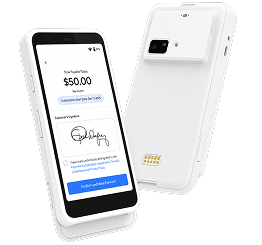
Limited-Time Launch Offer
Turn Every Checkout Into an Opportunity
Simplify checkout with the Denefits Terminal. Accept payments, offer flexible payment options, and support customer feedback, rewards, and referrals.
Get Your Terminal for
$0
instead of $399
Limited-time offer. Terms and eligibility may apply.
Frequently Asked Questions
Q. What is a customer engagement payment terminal?
A customer engagement payment terminal is a payment device that combines transaction processing with additional features such as customer feedback, loyalty enrollment, review invitations, or referral sharing.
Q. How is a smart payment terminal different from a traditional card reader?
While a traditional card reader acts solely as a transaction tool to process payments, a smart payment terminal functions as a complete business and customer-engagement platform.
A smart terminal doesn't stop after taking payments—in fact, it continues to engage the customer immediately after the sale by asking for a feedback review and prompting them to enroll in a loyalty or rewards program
Q. How can a payment terminal support customer engagement?
A payment terminal drives customer engagement by transforming the checkout moment into an interactive touchpoint. Rather than just processing transactions, modern terminals capture customer feedback, enroll shoppers into loyalty programs, and encourage referral sharing directly on screen right after the payment is made.
Q. What is post-payment customer engagement?
Post-payment customer engagement includes relevant interactions after a transaction, such as appointment reminders, reward notifications, recurring billing, and follow-up communications.
Q. What should businesses consider before choosing a customer engagement payment terminal?
Businesses should compare payment methods, fees, security, feedback tools, loyalty and referral features, integrations, reporting, support, and the total cost of ownership.
Q. Is the Denefits Terminal suitable for every business?
Suitability depends on the business's payment needs, location, eligibility, supported integrations, and required engagement features. Businesses should confirm these details with Denefits before purchasing.