It’s hard to ignore that annoying, tender sting on your eyelid. Most of us have been there—wondering if that red bump is just a rogue pimple or something more serious like a stye. Beyond the discomfort, the real concern is usually whether you can pass it on to your family or how quickly you can make it disappear. Here is the straightforward breakdown of what’s actually happening with your eye and how to handle it without the guesswork.
What Is a Stye?
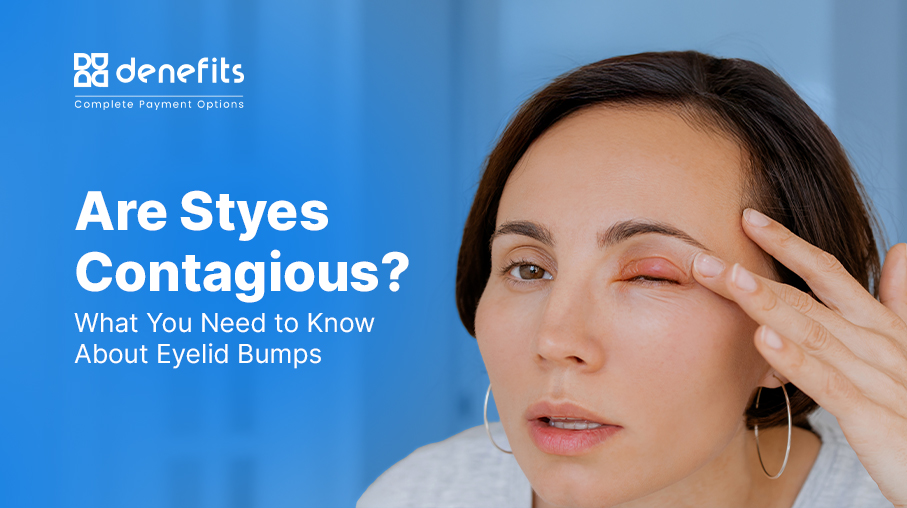
A stye is a painful red bump that appears on the edge of the eyelid, resembling common acne. In most cases, a stye is caused by a bacterial infection in the eyelid.
Is a Stye Contagious?
Many worry about spreading the infection. While a stye is non-contagious itself, the bacteria causing it aren’t. You cannot catch a stye from someone just because you were in the same room; however, using other people's cosmetics or linens, such as towels or pillowcases, increases your risk of developing this condition.
Eye Stye Symptoms: What to Watch For
The first signs of this condition may resemble those of common acne; however, as it progresses, you will definitely know you have a stye. Here are the main symptoms:
- Redness and swelling: The skin around the bump tends to get inflamed and puffy. Sometimes, the whole eyelid gets swollen.
- Pain and tenderness: It hurts a lot when touched – sometimes, even pulsating pain.
- A gritty feeling: It seems as if something got into your eye, causing a gritty sensation.
- Crusting and discharge: There may be a yellow pus spot visible in the center. Overnight, crusts may appear along the eyelid.
- Sensitivity: Your eyes might become watery or light-sensitive.
Struggling with stubborn nose pores that never seem to go away?
You might be treating the wrong thing.
What Causes Styes in Adults
The main reason why most people end up with styes is the Staphylococcus bacteria. While this bacterium usually lives without causing trouble on our skin, it could lead to an infection if trapped in a small pocket of skin.
In adults, this typically happens through:
- Touch: Transferring bacteria from your hands to your eyes.
- Clogged Glands: Poor eyelid hygiene or skin disorders like blepharitis or rosacea may thicken oil glands in your eyes and make them more likely to get infected.
- Contaminated Products: Using expired makeup or dirty contact lenses.
White Bump on Lash Line: Treatment and How It Forms
The white or yellow head you see on the lash line is a sign that your immune system is fighting the infection. The formation follows a specific biological process:
- Blockage: Dead skin or thick oil clogs an oil gland (Zeis or Meibomian) at the lash line.
- Infection: Trapped bacteria multiply within the sealed gland.
- Inflammation: The immune system sends white blood cells to the area to fight the bacteria.
- Abscess: A tiny abscess forms; the visible whitehead is actually pus (white blood cells and debris) attempting to drain through the skin.
How Long Does a Stye Last?
Pain and swelling usually peak within 48 hours, with most styes subsiding in 3 to 5 days. The physical bump may take 7 to 10 days to disappear fully. If a lump persists beyond two weeks, it may have developed into a chalazion, which requires different care.
Understanding the Sensation: Are Styes Itchy?
While a stye is mostly known for being tender or "gritty," itching is a very common side effect. This usually happens for two reasons:
- Stretched Skin: As the eyelid inflates, the skin stretches and becomes irritated, triggering that itchy sensation.
- Buildup: Any discharge that dries or "crusts" along your eyelashes acts like an irritant against the eyelid margin.
Explaining Why an Itchy Stye Means Healing in Some Cases
If the initial throbbing is gone and you’re left with a nagging itch, it’s often a sign that your eye is on the mend. Here’s why:
- The Repair Phase: Just like a healing scrape on your knee, the body releases histamines as it repairs tissue and clears out the infection, which naturally causes a tingle.
- New Skin Growth: As the swelling retreats and the delicate eyelid skin begins to knit back together, the nerves in the area often react with an itch.
- Natural Drainage: When a stye begins to drain, the movement of fluid can feel ticklish or itchy, signaling that the internal pressure is finally being relieved.
Eye Stye Treatment Options
Most styes respond well to simple, non-invasive home care:
- Warm Compresses: This is the gold standard. Heat helps liquefy the hardened oils blocking the duct, allowing the stye to drain naturally.
- Lid Scrubs: Using a diluted tear-free baby shampoo or over-the-counter eyelid wipes can help clear away crusting and bacteria.
- Pain Relief: Over-the-counter anti-inflammatories like ibuprofen can help reduce the localized swelling and throbbing.
Step-by-Step: How Do You Get Rid of a Stye Safely?
Follow this routine 3 to 4 times a day to speed up the recovery process:
1. Wash your hands: Always start with clean hands to avoid introducing new bacteria.
2. Prep the compress: Soak a clean washcloth in very warm (not scalding) water.
3. Apply heat: Hold the cloth against the affected eyelid for 10 to 15 minutes. If the cloth cools down, re-soak it in warm water.
4. Gentle massage: After the compress, use a clean finger to very lightly massage the area. Do not use pressure—just enough to encourage the softened oils to move.
5. Cleanse: Gently wipe away any drainage or debris with a fresh eyelid wipe or a damp cotton round.
Immediate Action: What to Do for a Stye in Your Eye?
If you just noticed a stye forming, the most important step is to stop touching it. Immediate actions include:
- Remove contacts: Switch to glasses right away to prevent bacteria from getting trapped behind the lens.
- Go makeup-free: Stop using eyeliner or mascara, as these can further clog the glands and contaminate your products.
- Hands off: Do not pop or squeeze the bump; this can force the infection into the deeper tissues of your eyelid or even your bloodstream.
Essential Tips on How to Prevent Styes
Preventing styes is primarily about maintaining rigorous eyelid hygiene. Here are the essential tips:
1. Maintain Strict Hand Hygiene
The most common way bacteria reach the eye is through your hands. According to Healthdirect:
- Wash frequently: Use soap and water regularly, especially before touching your face or eyes.
- Avoid rubbing: Refrain from rubbing your eyes, as this can irritate the skin and push bacteria into the oil glands.
2. Cosmetic & Makeup Safety
Makeup tools and products are prime breeding grounds for bacteria.
- Never share: Avoid sharing eye makeup or brushes with others.
- Discard old products: Replace eye makeup (especially mascara and eyeliner) every 3 months.
- Remove before bed: Always wash off makeup thoroughly before sleeping to prevent oil glands from becoming clogged.
- Clean brushes: Wash your makeup applicators weekly with a gentle cleanser.
3. Contact Lens Care
If you wear contacts, your risk of eye infections is slightly higher if hygiene isn't perfect.
- Wash first: Always wash and dry your hands before handling lenses.
- Disinfect properly: Use only fresh contact lens solution—never tap water or saliva.
- Replace cases: Change your contact lens storage case every 2–3 months.
Addressing Chronic Issues: Why Do I Keep Getting Styes?
Recurring styes usually indicate an environment where bacteria thrive or where your eye's natural drainage system is consistently compromised. According to UHC, here are some reasons that may increase your risk of a stye:
- Rosacea History: This long-term inflammatory skin condition often causes facial redness, but it can also migrate to the eyes, leading to irritation and swelling of the eyelid tissues.
- Presence of Blepharitis: This condition involves eyelid inflammation characterized by an overgrowth of bacteria near the lash line, often appearing as crusty, scale-like flakes.
- Being Over Age 40: Eyelid glands naturally become less effective with age. Because they can no longer circulate oil and moisture as efficiently, the fluid is more likely to thicken and clog the glands.
- Previous Occurrences: If you have had a stye previously, you are likely to experience recurring episodes.
Thinking about an eye tattoo?
This extreme trend comes with risks most people don’t fully understand.
Frequently Asked Questions (FAQs)
1. Is a Stye Contagious?
Most styes are temporary and will begin to drain or disappear on their own within a few days. Typically, you can expect full healing within one to two weeks, provided you don't squeeze or pop it.
2. How to Get Rid of a Stye Overnight?
While you usually can’t cure a stye overnight, you can significantly reduce the swelling and pain by using a warm compress for 10–15 minutes before bed. This helps soften the blockage and encourages natural drainage.
3. Can Styes Spread?
The stye itself doesn't "spread" like a rash, but the bacteria that caused it (Staphylococcus) can be transferred. If you touch the stye and then touch your other eye or share a towel with someone else, the bacteria can move and potentially cause a new infection.
4. Should I See a Doctor for a Stye?
Most styes heal with home care, but you should contact an eye doctor if the swelling doesn't improve after 48 hours, if the redness spreads to your cheek or other parts of the face, or if your vision becomes blurry.
5. Can I Wear Contacts or Makeup While I Have a Stye?
It is best to avoid both until the stye is completely gone. Makeup can harbor bacteria and further irritate the area, while contact lenses can become contaminated, potentially leading to a more serious corneal infection.