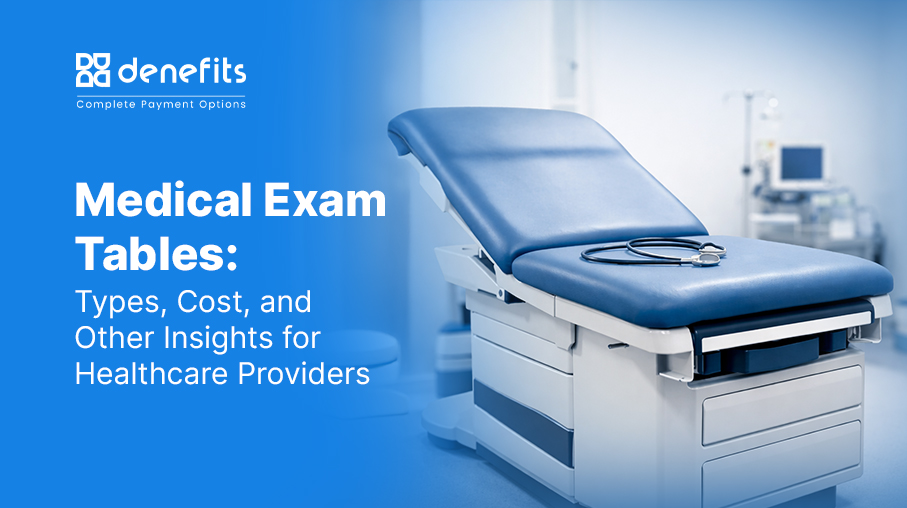
Every doctor’s exam room has that one element quietly supporting almost every clinical interaction: the medical exam table. It’s where patients sit anxiously before a diagnosis, receive reassurance during routine check-ups, and where the doctors perform many minor procedures.
For healthcare professionals, a medical exam table is not merely a piece of furniture, but a daily-use clinical tool that affects the quality of care and perception of professionalism. However, when researching them, you may encounter a confusing marketplace presenting different brands and models.
Many practices struggle with questions like:
- Which type of examination table suits my specialty?
- Which features are genuinely useful vs. “nice to have”?
- How much do medical exam tables actually cost?
- Should you choose a manual, adjustable, or powered exam table?
- When is it time to upgrade?
This blog is written as a guide for healthcare providers seeking a practical and comprehensive resource to inform their decision-making process. We’ll explore the major types of medical exam tables, key features that truly matter, expected cost ranges, and how to match the right table with the nature of your practice and patient population.
What Are Medical Exam Tables?
Medical exam tables, also known as examination beds, are specialized clinic furniture designed to support patients during clinical evaluation and treatment. Unlike ordinary beds or couches, they are engineered to allow clinicians to position patients comfortably, maintain appropriate posture during treatment, and access specific body parts without strain.
Medical exam tables are also used for the following purposes:
- Allowing safe transfers and mobility assistance
- Enhancing patient comfort and privacy
- Supporting physician ergonomics
These tables are used across nearly every healthcare setting, including:
- Primary care clinics
- Specialty practices
- Urgent care centers
- Hospitals
- Physiotherapy and rehabilitation centers
- OB-GYN and urology clinics
- Dermatology and cosmetic practices
Most modern doctor tables are equipped with adjustable backrests, cushioning, storage drawers, paper rolls, and weight capacity designed for a wide range of patients.

Want more patients—and better retention?
Learn the strategies successful practices use to attract, engage, and retain patients long-term.
Why Choosing the Right Examination Table Matters
The examination table is where patients spend some of their most vulnerable moments of a clinical encounter. A table that is uncomfortable in any way can increase anxiety, especially in elderly patients, bariatric individuals, or people with mobility limitations. On the other hand, a table that is supportive and accessible can make the patient experience safer and more professional.
Here’s what the right examination table impacts, beyond enhancing your clinic's aesthetics:
- Patient comfort and dignity
- Examination accuracy
- Clinic workflow efficiency
- Accessibility for disabled or elderly patients
- Occupational safety for providers
- Perception of practice quality
For example:
- A height-adjustable exam table helps reduce provider back strain
- A table with stirrups is essential for gynecological exams
- A portable exam table benefits outreach clinics or home-visit care
Selecting the wrong table can lead to limited mobility, awkward positioning, or safety risks.
Types of Medical Exam Tables
Medical exam tables are available in several configurations. Understanding them helps match the right model to your practice’s needs rather than relying on generic options. Let’s have a look at the most common types of medical exam tables:
➮ Standard Exam Tables
Standard tables are the traditional flat examination beds used in clinics, typically featuring:
- Fixed height
- Cushioned top
- Manual adjustable backrest
- Paper dispensing roll
- Under-table drawers or cabinets
- Weight-bearing frame
Standard exam tables are widely used in:
- Internal medicine
- General practice
- Pediatrics
These tables function well in environments where most examinations are straightforward and don’t require frequent repositioning. They are a preferred choice where budget matters and equipment is a long-term investment.
➮ Adjustable Exam Tables
An adjustable exam table allows height and positioning modifications using:
- Electric motors
- Hydraulic mechanisms
- Manual levers
Such tables are beneficial as they facilitate:
- Easier patient transfers
- Improved examination access
- Safer lifting for staff
- Enhanced comfort during long treatments
Adjustable tables are ideal for:
- Bariatric care
- Orthopedic clinics
- Geriatric patients
- High-volume outpatient practices
Adjustable examination tables support a wider range of procedures. Instead of lifting your patients manually, the table can itself be lowered to wheelchair levels or raised to an optimal working level. Although the initial investment is higher than that of a standard exam table, an adjustable one offers better accessibility and ergonomic benefits over time.
Ready to offer flexible payment plans without credit checks?
Connect with us to learn how patient payment plans can support your practice’s growth.
📞 Get in Touch With Us➮ Power Exam Tables
Power exam tables are the most advanced in the category. Their features include:
- Lift or tilting functions
- Electric height adjustment
- Programmable positions
- Higher weight capacity
Power exam tables are commonly used in:
- Surgical clinics
- Specialty diagnostic centers
- Urology and OB-GYN practices
- Pain management clinics
These tables operate entirely through electric motors, allowing smooth transitions between sitting, reclining, and elevated positions with minimal physical effort from the provider. Power tables are a central component of the treatment environment for clinics planning long-term growth or offering more specialized care.
➮ Portable Exam Table With Stirrups
A portable exam table with stirrups is foldable and lightweight, yet equipped for urological or gynecological exams. Their common use cases include:
- Outreach medical camps
- Mobile clinics
- Home-care providers
- Shared or small practice spaces
They are designed to:
- Set up quickly
- Fold for transport
- Provide adequate leg support through stirrups
Portable exam tables expand access to care beyond traditional clinic walls. They allow practitioners to serve rural populations, remote areas, or temporary health camps without sacrificing examination quality. Their compact design makes them ideal in situations where space is limited or shared among multiple professionals.
➮ Specialty Exam Tables
Specialty exam tables are specially engineered to serve niche use cases. They include tailored options, such as:
- Dermatology procedure tables
- Bariatric exam tables with high weight capacity
- Pediatric exam tables with colorful prints
- Physiotherapy and chiropractic treatment tables
Each specialty table focuses on:
- Disease or treatment-specific positioning
- Patient comfort
- Durability and safety standards
Speciality exam tables are built considering that different clinical disciplines have unique demands. Choosing them allows providers to improve comfort and signal empathy and readiness to serve all patient populations with dignity.
➮ Types of Medical Exam Tables With Key Features
Here is a clearer breakdown of the various types of medical examination tables, based on their most significant characteristics.
| Type of Medical Exam Table | Height Adjustability | Suitable for Limited Mobility | Procedure-Friendly Positioning | Storage Options | Typical Care Settings |
| Standard exam table | No (fixed height) | Low to moderate | Basic examinations | Often built-in drawers | Primary care, pediatrics, general practice |
| Adjustable exam table | Manual / Hydraulic / Electric | High | Moderate to high | Varies by model | Orthopedics, geriatrics, internal medicine |
| Power exam table | Fully electric | Very high | Very high, programmable | Optional, depending on the model | OB-GYN, urology, procedure-heavy clinics |
| Portable exam table with stirrups | No or minimal | Moderate | Designed for specific procedures | None | Mobile clinics, community health camps |
| Specialty exam tables | Depends on specialty | Designed for unique needs | High for niche procedures | Varies | Bariatric, dermatology, pediatrics |
Key Features To Look for in Medical Exam Tables That Are up for Sale
When evaluating the medical exam tables available in the market, many healthcare providers initially focus on price or appearance. However, the most meaningful selection criteria also relate to usability, safety, and durability.
Important considerations include:
- Weight Capacity: Essential for general care and bariatric environments.
- Ease of Cleaning: Antimicrobial covering and seamless upholstery improve clinic hygiene.
- Patient Accessibility: Side rails and low-entry height support disabled or senior patients.
- Storage: Cabinets, drawers, and hidden compartments support clinical organization.
- Durability: Certain materials, like steel or hardwood frames, ensure long-term reliability.
- Adjustability: A hydraulic or motorized lift in the medical exam table improves provider ergonomics.
- Safety Features: A sturdy base, rounded edges, and anti-slip steps reduce the risk of injury.
Cost of Medical Exam Tables: What You Should Expect To Pay
The price of medical examination tables varies widely depending on the complexity of the design, the technology used, and the intended clinical environment. Further, prices also vary, depending upon:
- Build quality
- Brand and warranty
- Specialty use
- Additional features
As per various sources and exam table vendors, below are the typical cost estimates, durability, maintenance levels, and best use cases for each table type:
| Type | Typical Cost Range | Expected Durability | Maintenance Level | Best For |
| Standard exam table | $500 – $1,200 | High (few moving parts) | Low | Routine check-ups, family practice |
| Adjustable exam table | $1,200 – $3,000 | High | Moderate (hydraulic/electric parts) | Mixed-age or mobility-limited patients |
| Power exam table | $3,000 – $7,000+ | Very high | Moderate to high | High-procedure clinics and specialists |
| Portable exam table with stirrups | $200 – $800 | Moderate | Low | Outreach, temporary, or field clinics |
| Specialty exam table | $1,500 – $8,000+ | Depends on the model | Depends on components | Bariatric care, pediatrics, aesthetics |
Sources: Cost How Much and SmartBuy
Budget Considerations for Healthcare Providers
When budgeting for a medical exam table, healthcare providers should evaluate:
- Total lifetime cost vs upfront cost
- Service availability
- Warranty duration
- Tax deductions on medical equipment
- Practice growth predictions
Considering your purchase of an exam table as a capital investment, not simply a consumable. A slightly higher upfront investment in a durable model may ultimately result in lower costs per use over its lifetime. Similarly, tables that prevent provider injury or support the expansion of clinical services indirectly reduce operational risks and support revenue.
How Denefits Supports Better Access To Care
-
Once you’ve selected and purchased the most suitable and useful medical exam tables for your clinic or practice, you can expand your range of procedures. However, some procedures may require high upfront costs, making treatment inaccessible to many of your patients.
- Offering patient payment plans without any credit checks
- Reducing upfront payment barriers
- Improving your case acceptance rates
- Supporting uninsured or underinsured patients
- Building predictable monthly revenue
That’s where Denefits can become your partner in practice growth, by:
When Should You Replace or Upgrade Your Doctor Exam Table?
You should consider upgrading or replacing your existing examination table if:
- The upholstery is cracked or torn
- Mechanical parts are failing frequently
- Patient transfers are becoming difficult
- Your services have expanded beyond table capacity
- Regulatory standards have updated
- Your clinic’s accessibility requirements have changed
A modern exam table often integrates ergonomic improvements, accessibility features, and better infection control design. Therefore, upgrading supports both clinic professionalism and patient comfort.
Closing Thoughts
Choosing the right medical exam table is ultimately about aligning equipment with your patient needs, provider comfort, and long-term growth plans. Understanding the different types, features, and cost ranges helps clinics invest wisely rather than guessing. When combined with thoughtful financial solutions such as Denefits’ no-credit-check payment plans, accessible care and modern equipment can work together to improve the overall patient journey.
Flexible Payment Plans That Drive Results
Turn more treatment plans into completed care with flexible patient payment plans. Schedule a demo and explore the benefits for your practice.
📅 Schedule a Demo
FAQs About Medical Exam Tables
1. What Are Medical Exam Tables Used For?
They’re used to support and position patients during diagnostic evaluations, physical examinations, and minor procedures across a wide range of medical settings.
2. What Is the Difference Between a Doctor Exam Table and an Examination Bed for Clinics?
While the terms may be used interchangeably, examination beds sometimes refer to simpler, flat designs. Doctor exam tables, on the other hand, are mostly equipped with adjustable backrests and storage units.
3. How Much Do Medical Exam Tables Cost?
There is a vast variety of exam tables available in the market, depending on use case scenarios, budgets, durability, maintenance levels, etc. Based on your choice, the range may start from $500 and go up to $8,000.
4. Are Adjustable Exam Tables Worth the Investment?
Yes, adjustable examination tables reduce provider strain, improve accessibility for patients with mobility issues, and support more specialized medical procedures.